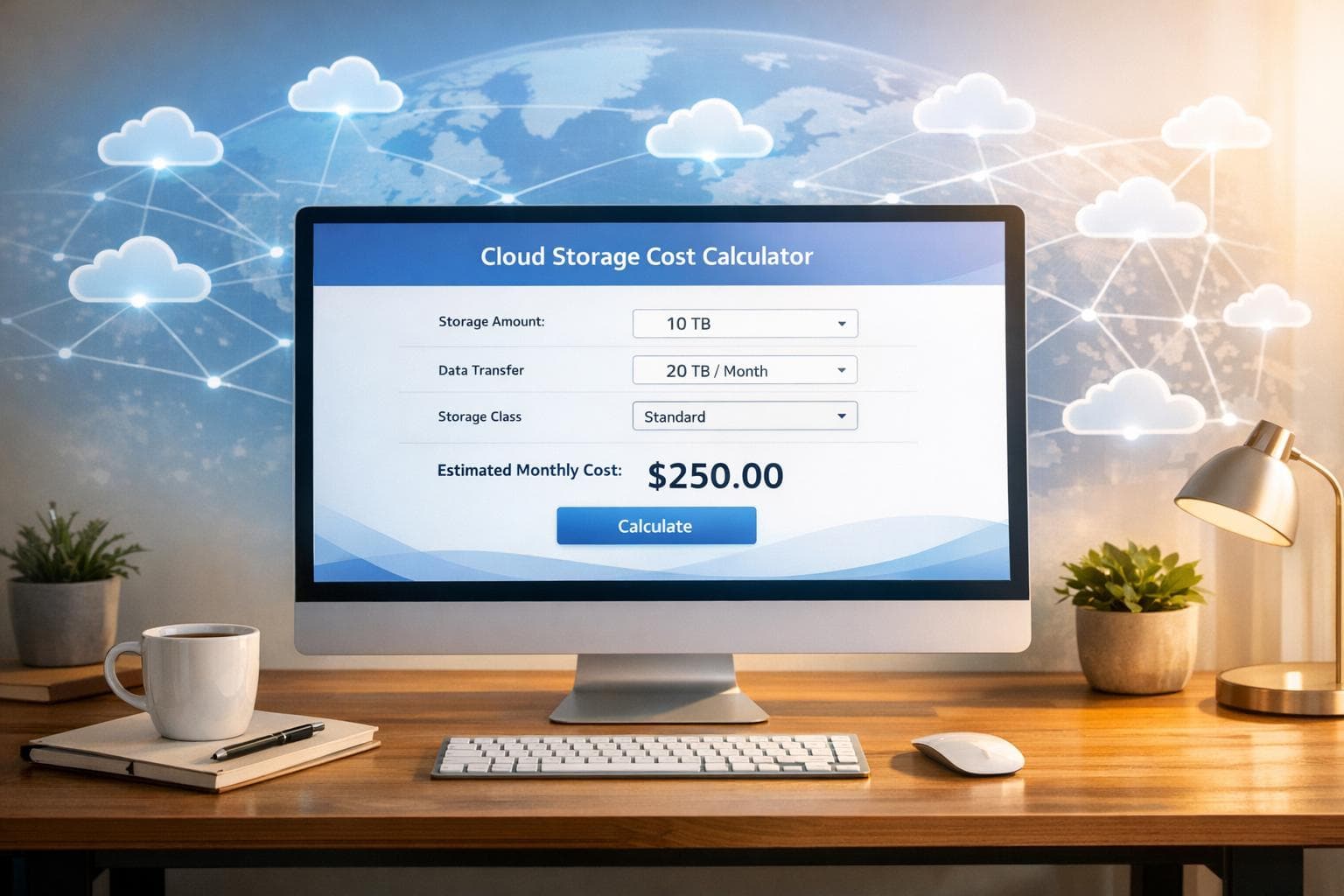
Cloud Data Storage Cost Converter
Find the Best Cloud Storage Deal with Our Cost Converter
Navigating the world of cloud data hosting can feel like wading through a maze of fine print and hidden fees. Whether you're a small business owner looking to store critical files or a developer managing massive datasets, understanding pricing across providers like AWS, Azure, and Google Cloud is key to keeping your budget in check. That’s where a reliable cloud data storage cost converter comes in handy—it simplifies the process by breaking down monthly expenses based on your unique requirements.
Why Compare Cloud Pricing?
Every provider offers different tiers, from standard options for active data to cheaper, archival solutions for stuff you rarely touch. But costs add up differently depending on how much data you’re storing and how often you access it. Instead of manually digging through pricing pages, a tool that compares data hosting expenses can save you hours and help you avoid overpaying. You’ll see clear estimates tailored to your input, plus notes on potential extras like retrieval fees. Take control of your cloud budget today and make an informed choice without the guesswork.
FAQs
How accurate are the cost estimates provided by this tool?
We base our calculations on the latest publicly available pricing data from major cloud providers like AWS, Azure, and Google Cloud. That said, these are estimates—actual costs can vary depending on your region, specific usage patterns, or additional fees for data retrieval and transfers. Always check with the provider for the most up-to-date pricing before making a decision.
What types of storage can I compare with this tool?
You can compare costs for different storage tiers, such as standard storage for frequently accessed data and archival options for long-term, infrequently accessed data. Think AWS S3 Standard versus Glacier, or similar offerings from Azure and Google Cloud. Just select the type that fits your use case, and we’ll crunch the numbers for you.
Why do costs differ between providers for the same data volume?
Each provider has its own pricing model, often based on storage type, access frequency, and additional services like data transfer or retrieval. For instance, AWS might charge more for frequent access but less for archival, while Azure could have a different sweet spot. Our tool highlights these differences so you can spot the best value for your specific needs.